
The commercial cleaning industry is forever changing and evolving to adapt to new technologies and values to deliver the highest quality cleaning service to its customers.
These trends and innovations help to revolutionise the cleaning industry, making it easier than ever to improve the standards of health and hygiene in the workplace. We’ve put together a guide below to help you understand these trends and innovations and how our cleaning practices in your offices will develop.
Sustainable Cleaning Industry Trends
Green cleaning standards and practices have been taking the cleaning industry by storm in recent years as the world’s focus shifts to searching for ways to combat climate change.
Businesses across the cleaning industry have been analysing their business practices to find ways to cut back on resource use and find new and innovative ways to save energy to protect the environment and deliver socially conscious cleaning practices to their clients.
These values help us to put your business first, keeping your employees healthy and raising your business’s reputation in the eyes of your clients.

Energy-Saving Cleaning Trends
One of the most important areas the cleaning industry is working to revolutionise is the use of energy in the workplace, especially through our cleaning practices.
Reducing energy usage in cleaning helps to save money and reduce the pollution generated from overusing non-renewable resources.
We use energy-efficient cleaning equipment such as steam cleaners and vacuums to help us reduce the amount of electricity being generated in our cleaning practices as well as using cold water instead of hot water for cleaning surfaces to reserve energy that would have otherwise been wasted heating the water.
We will help to maintain your air filters and ventilation systems to ensure they are working efficiently. If they are dirty, more energy will be used to try and circulate clean air, making them less sustainable.
We also use our own fleet of electric vehicles to save on fuel and create a more sustainable option for driving between our clients and our offices.
Water-Saving Cleaning Trends
Aside from energy, it’s also important to conserve water usage. With a strong focus on minimal water wastage during cleaning processes such as window cleaning and steam cleaning.
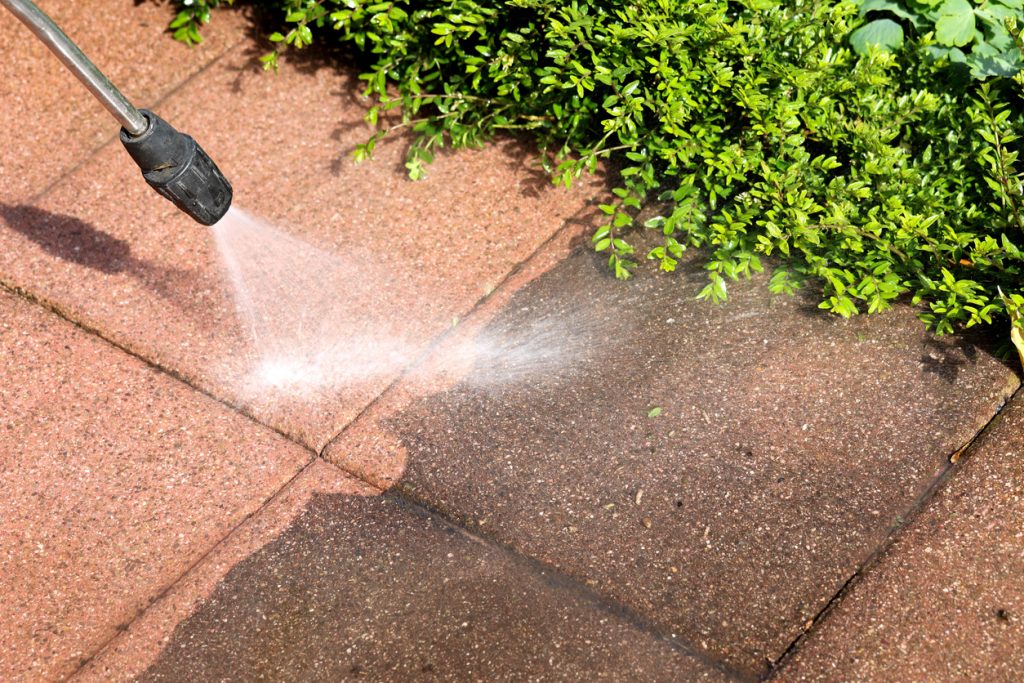
Our pressure washing systems and window cleaning solutions – such as our long-reach water-fed pump system – regulate the amount of water used, reducing utility costs.
Another big trend is the drive to reuse and recycle water where possible instead of just pouring it down the drain after a single use and getting fresh water for the next task.
Electrolysis technology is also becoming a big part of the conversation in terms of conserving water and protecting the environment. Electrolysed water – or E-water – is an organic solution made of natural ingredients, using only salt, water, and electricity, removing the use of harmful chemicals in the cleaning process.
Its non-toxic and disinfectant traits help to remove germs and clean surfaces safely, reducing your carbon footprint and limiting the amount of chemical contamination that can occur during cleaning.
It is also fully biodegradable due to not using disposable packaging, keeping wastewater systems healthy.
Sustainable Cleaning Products
Professional cleaning companies using sustainable cleaning products have become a significant aspect of the cleaning industry. For example, at Total Clean, we use our own range of green cleaning products called Total Defence.
Total Defence is made sustainable in our own factories, using natural ingredients and helping us to cut down on our single-use plastics for a more eco-friendly work environment.
The biggest trend surrounding green cleaning at the moment though is the drive to use salt-free cleaning solutions. High levels of salt in cleaning solutions can damage surfaces and negatively impact the environment.
Using salt-free alternatives such as those associated with the e-water technology described above helps cleaners use less chemicals and avoid corrosive materials, extending the lifespan of your office surfaces.
Of course, as is the nature of trends and innovations, there are still a few wrinkles to iron out. The primary one is that salt is used in cleaning solutions to lift up grease, limescale, and other difficult stains. You may find salt-free cleaning solutions are not as effective at removing dirt.
AI Innovations in the Cleaning Industry
With the ever-expanding growth of AI, VR, and AR in the world, it’s no surprise that these digital practices have made their way to the cleaning industry to revolutionise how cleaning systems are managed, creating a more streamlined approach to cleaning that will enhance the efficiency of professional cleaning teams.
AI in Daily Operations Management
The use of AI has helped to make sure that the processes surrounding cleaning work are operating in optimum condition so that commercial cleaning companies can deliver the highest quality work they can.
Smartphones and applications help to centre all the core schedules and tasks of the cleaning company in one easily accessed place. Taking company processes digital helps to increase the workflow and ensures our cleaners can keep closer track of the tasks that need completing in order to help your business become the best possible version of itself.
Cleaning companies can use the data gathered by their automated systems to analyse schedules, monitor equipment for repairs and replacements, and give our cleaners guidance on cleaning tasks.
AI technology can be used to:
- Optimise routes from our offices to your business
- Carry out bulk invoicing
- Track cleaning jobs
- Access client accounts
IoT Technology Cleaning Innovations
IoT technology helps to connect our management programmes, smart devices, people counters, and connected devices, allowing us to fine-tune the way we clean and pass that forward to our clients so that they can receive only the very best care.
This will include equipping tools and equipment with sensors to monitor performance and maintenance requirements as well as monitoring foot traffic and installing devices that lower the number of touchpoints in the office which subsequently will help to enhance personal hygiene standards.
With real-time monitoring, it will be easier than ever for us to keep track of the level of stock you have in janitorial supplies and the stock of cleaning products we have.
The better prepared we are, the better the work we do for you will be, ensuring tasks finish on time so that you can reach your business goals.
AR Employee Training Innovation
Training new employees in cleaning practices can be a time-consuming task. With the use of AR, cleaners can learn interactively and access training programmes designed to simulate cleaning tasks and challenges and assist in giving new cleaners hands-on experience.
This will help to make them better placed to carry out those cleaning processes in the real world as they will already have a visual understanding of what particular cleaning challenges look like and how to solve them.
AR can also be used to provide guidance for new cleaners as they are carrying out tasks in your office. Step-by-step solutions with software that can spot problems the human eye can’t will help to enhance the accuracy of our cleaning processes.
They can also be used to impart knowledge and support from industry experts. Managers can monitor their employees’ work through their point of view with their own pair of AR glasses or a smartphone and help them work through problems in real time.
All of these AI practices are designed to benefit your business and ensure that our cleaning values and goals align precisely with your needs, helping your business to gain a brighter future.
We are dedicated to using AI to foster constant improvement in our workforce so that we can continue to provide high-quality cleaning solutions that exceed the standards of the industry.
Robotic Technology in Cleaning
Aside from AI, robotic technology has also been making huge waves in the cleaning industry in recent years, with those trends set to continue in the future. Robotic assistance in cleaning tasks helps to take some of the pressure off commercial cleaners so that they can focus more clearly on doing their best work without some of the physical strain and stress that can occur in cleaning work.
Robotic Cleaning Tools
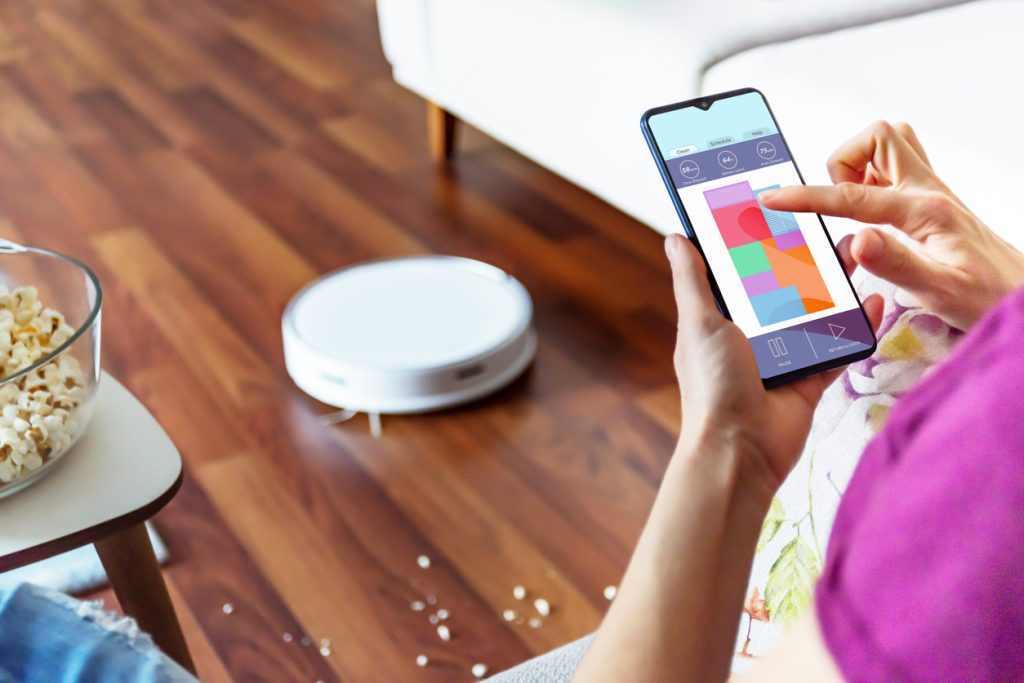
One of the most prominent robotic innovations in the cleaning industry is the use of robotic vacuums.
Vacuuming floors is a huge part of the work professional cleaners perform regularly for their clients and employing the use of robotic vacuums can drastically reduce the time spent cleaning, freeing the human cleaners up for more pressing and intensive cleaning tasks and minimising the costs of the cleaning service.
Speed and efficiency without sacrificing quality is important and as more robotic vacuums are being trialled by cleaning companies across the nation, the technology will continue to be developed and improved upon.
Other robotic tools being introduced for cleaning purposes are:
- Robotic scrubbers/dryers
- Robotic window cleaners
- Robotic mops
- Self-cleaning toilets
Robotic cleaning technology has a focus on durability so that it can last a long time and deliver effective cleaning work for the duration of its lifespan.
Of course, there is a risk of the machinery breaking down and needing repairs which can incur an additional cost but as a step forward into technological cleaning, the impact robotic cleaners have on the industry and clients will be influential in streamlining processes and lessening the disruption to clients’ working hours.
There is also a concern regarding the sustainability of these robotic products and how much energy they consume while they are either operating or charging. Companies making robotic vacuums are focused on creating models that lower the carbon footprint of the tools, especially in regards to their older counterparts such as traditional corded or wireless vacuums.
Wearable Cleaning Technology
There’s also a significant focus on innovative wearable technology for cleaners during their working hours.
In a similar fashion to the use of AI to streamline management and organisation of tasks, wearable technology such as smart watches can link into your company’s app and help employees to keep track of their tasks on the go.
There are also wearable air quality monitors that are being used to innovate how companies and organisations keep track of air pollution. This sort of technology could prove to be vital for the cleaning industry as they monitor and assess the indoor air in offices and factories to make sure employees are working in safe and healthy conditions.
Exoskeleton and exosuit technology can also help to focus technology on providing complete support to cleaners during their work as the long hours of intensive cleaning in the interiors and exteriors of buildings can take a toll on the physical health of employees.
While first used in the military, the use of exosuits has since begun to spread to a number of other industries such as construction. Exosuits can help to alleviate and prevent back pain and muscle strain from occurring, making tasks at work easier to fulfill.
Types of exoskeletons range from:
- Back support exosuits
- Leg support exosuits
- Arm and shoulder support exosuits
Whether employees are lifting heavy boxes of stock or cleaning high areas above their head, exoskeletons will help to support them and mitigate some of the physical risks of the job.
They are however expensive due to the costs needed to make them and so are not prominent in the industry. But with time and development, exosuits could prove to be a wise investment in revolutionising the cleaning industry.
Technology and sustainability go hand in hand to create better and more fulfilling working conditions that benefit the company, your employees, and the clients you service.
You can learn more about our innovative cleaning values through our robotic vacuum trial or by getting in touch with us to find out more about how our drive to introduce new cleaning innovations into our work can help you grow.