
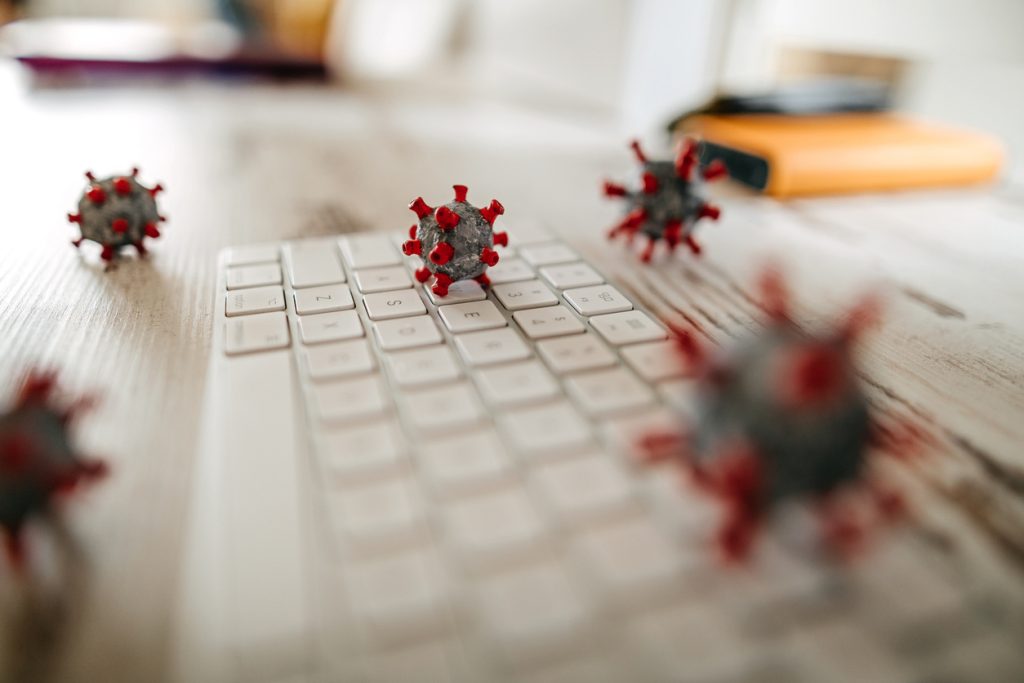
Back in 2020, Covid-19 hit the world hard, impacting every industry and pushing cleaning companies to their limits as they worked to adapt quickly and keep businesses as safe as possible.
In the past five years, Covid-19 is still having a strong impact on the cleaning industry, with practices and procedures being more intensive than ever before as companies practise higher levels of hygiene and are increasingly invested in maintaining the health and well-being of their employees.
Post-Covid Disinfection
In the early days of the coronavirus lockdown, we were still learning about the ways in which the virus was spread and transmitted. This led to an increase in disinfection protocols for commercial cleaning staff.
Cleaners had to adapt and intensify their cleaning protocols to combat the spread of the virus and help their clients feel safe and well-protected during a turbulent time.
Disinfecting Hotspots in the Office
Commercial cleaning standards during the pandemic still followed the basic rules and routines of regular cleaning from before the outbreak but a more targeted and careful approach to minimise the spread of infectious bacteria.
There was a lot of concern about the spread of the virus from surface contact and so rigorous and frequent cleaning of hotspots in the office became commonplace. This will include sanitising:
- Door handles
- Light switches
- Taps
- Keyboards
- Desks
While these repetitive standards did cause a large degree of hygiene fatigue, the regularity and frequency of the cleaning was helpful in protecting against a number of illnesses and viruses, not just Covid.
Coronavirus Deep Clean Decontamination
Deep cleaning as a service is often part of your contract with your commercial cleaners, taking place once or twice a year to more thoroughly eliminate germs and bacteria.
A coronavirus deep clean falls under the category of emergency specialised cleanings that can be ordered outside of the contract. This is useful in enabling companies to be responsive to outbreaks and have an office cleaned as soon as possible to make the site safe for work again.
Commercial Fogging Service
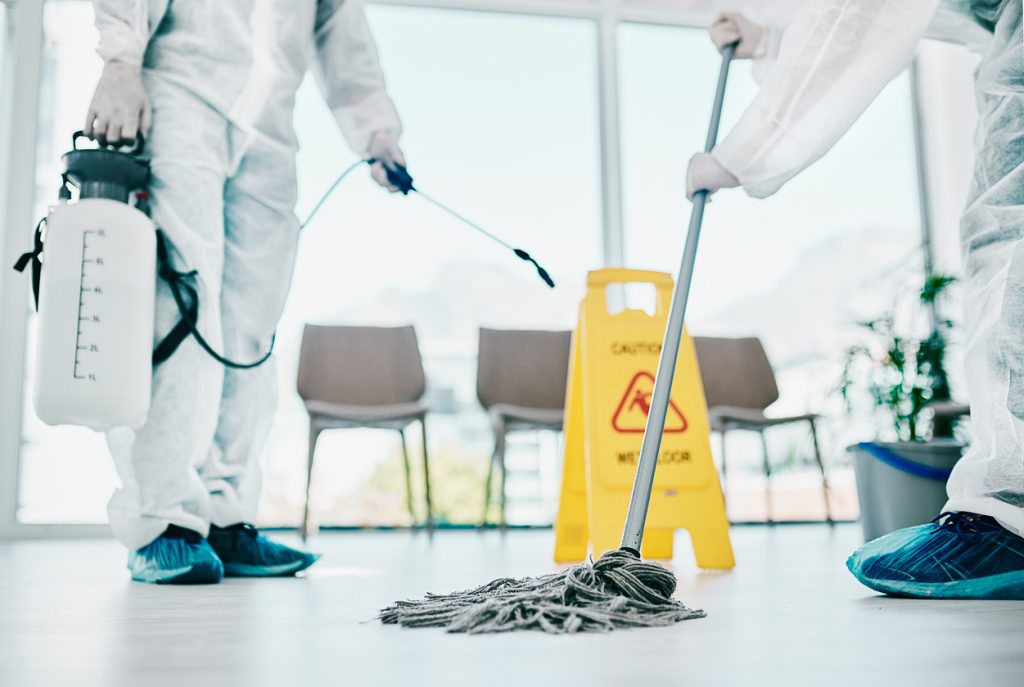
A professional fogging process goes hand in hand with deep clean decontamination to eliminate traces of Covid-19 in the workplace.
Where the deep clean will largely focus on disinfecting surfaces that have been exposed to the virus, the fogging service will disinfect the air, removing airborne pathogens with a disinfectant sprayed as a fine mist (hence the term ‘fogging’).
Our professional cleaners will wear regulation protective gear when using a fogging machine. The infected premises should be completely cleared and staff will have to wait at least 90 minutes for the mist to disperse and do its job effectively. We will open the windows after fogging to allow some natural clean air to circulate and remove trace chemical particles.
Surface Decontamination
While not commonly transmitted through surface contact, keeping surfaces clean and free of germs had a massive impact on reducing Covid-19 in the workplace.
Covid-19 meant more and more people were paying attention to the lifespan of different germs and bacteria on different surfaces. During the pandemic, the main focus was on the lifespan of the Covid-19 bacteria but in a post-Covid world, this practice is also useful for the decontamination of other bacteria and viruses.
For example, here’s how long Covid-19 can last on certain surfaces:
- Metal – 5-9 days
- Wood – 4 days
- Plastic – 2-3 days
- Cardboard – 1 day
- Glass – 5 days
- Fabric – a few hours to a few days
With this as a guideline, more companies can be aware of the lifespan of bacteria in the workplace and can prompt deeper investigation into other bacteria, creating a healthier office environment with a more intensive process due to Covid.
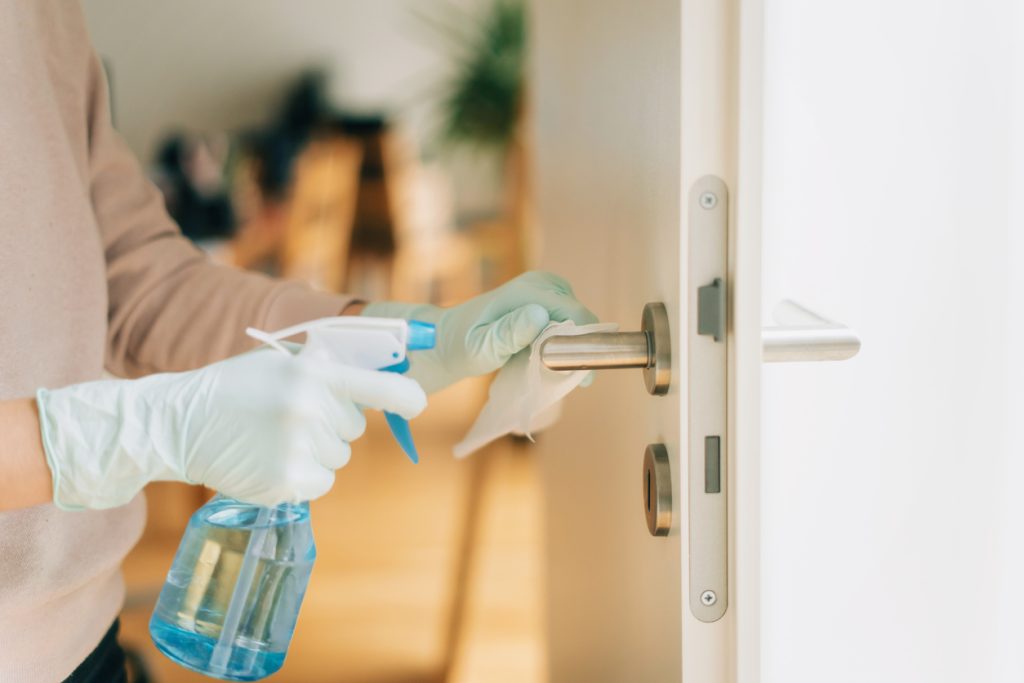
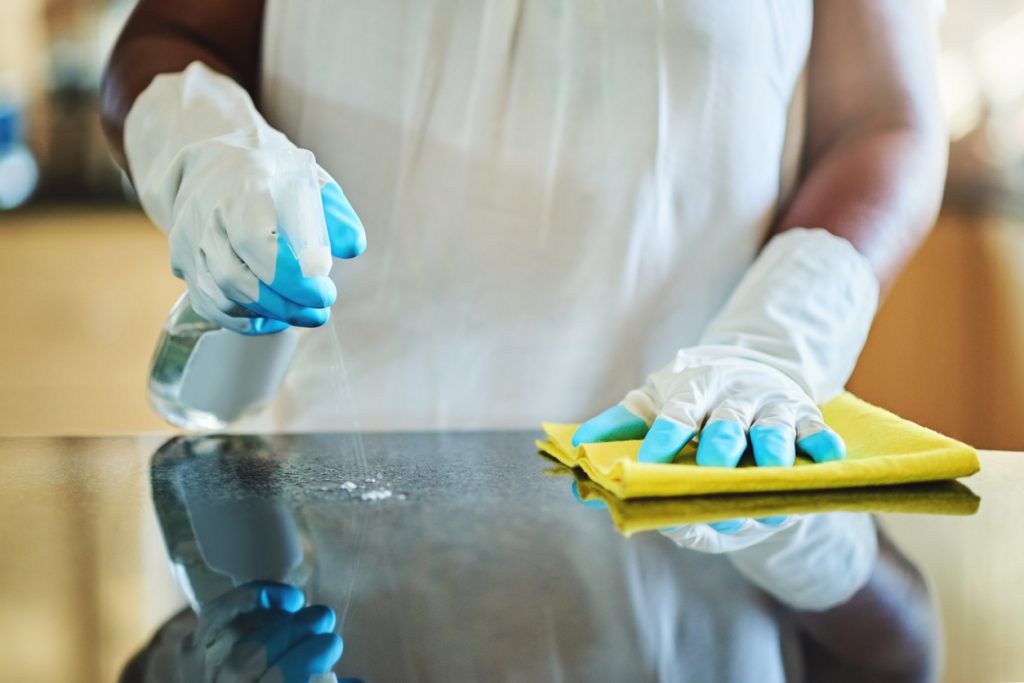
Learn effective cleaning methods for various surfaces, including metal, wood, plastic, cardboard, glass, and fabric. Discover simple and safe techniques to ensure hygiene and maintain the quality of each material:
- How to Clean Metal Surfaces: most metal surfaces can be cleaned with warm water and a mild detergent. For disinfection, use a 70% isopropyl alcohol. Spray the alcohol solution on the surface and wipe clean with a cloth.
- How to Clean Wood Surfaces: mild soap and water or commercial wood cleaners are put to best use here. Make sure the cloth you use to clean is damp and not wet to avoid excess moisture from damaging the surface.
- How to Clean Plastic Surfaces: clean water and a non-abrasive cloth are best to avoid scratching the plastic. Odours trapped in the material can be lifted with a homemade baking soda solution. These methods are great for reusable plastics to ensure they are still safe to use.
- How to Clean Cardboard Surfaces: packages received by your business will likely bring a number of unknown germs into the office. Cardboard can be recycled and reused so lightly spray it with a mild detergent and water solution and dab with a cloth to keep them safe and clean for further use.
- How to Clean Glass Surfaces: hot water and mild detergent is the best combination for sterilising glass, whether that be windows or containers in the office. With windows, spray the solution onto the surfaces and dry them immediately with a cloth. With containers, leave them submerged in hot, soapy water for 10 minutes.
- How to Clean Fabric Surfaces: Hot water and steam are useful for cleaning fabric surfaces such as carpets and upholstery with steam cleaning offering a green cleaning alternative. You can also use 70% isopropyl alcohol solutions to kill bacteria.
Green Cleaning and Covid-19
With an increase in the intensity and frequency of cleaning comes a higher increase in both plastic waste and the usage of cleaning chemicals.
This meant green cleaning standards had to evolve to accommodate the higher cleaning demand that resulted from coronavirus. Cleaning companies were driven to find ways to cut down on their cleaning chemicals to protect both the environment and their staff.
We use our own range of eco-friendly cleaning products to ensure we can carry out high-quality cleaning tasks with as little risk as possible, along with a number of green cleaning methods (such as the steam cleaning mentioned above).
Other green cleaning methods that have proven beneficial in the wake of Covid-19 include:
- Setting up indoor plants – plants such as spider plants and aloe vera can purify the air, reducing pollutants in the air and protecting against infections caused by bacteria and viruses.
- Invest in reusable plastics – the pandemic saw an increase in plastic sales due to the need for more cleaning materials, face masks, and packaging material for deliveries. Reusable plastics will help reduce the amount of plastic waste being produced by your company.
- Waste management – separate wastes and recycling affected by Covid-19 and dispose of them safely to avoid further contamination. Stricter waste and recycling policies can also help your company to do its part in protecting the environment from exposure to harmful materials.
- Use terry cloths for cleaning – microfiber cloths, as the name suggests, are made out of microfiber plastics that are so small, that they can be shed into the environment and begin to build up. Terry cloths are absorbent and a great green alternative.
Communication with Clients
The severity of Covid-19 meant that industries around the country needed more clarity on the cleaning procedures on offer to ensure that their businesses were as Covid-safe as possible for their employees and clients.
This meant enhancing our communication standards and commitment to giving our clients exactly what they needed to reduce the risk of Covid-19 in the workplace, allowing companies to remain successful in a turbulent time.
We will assist your staff with staying up to date with personal hygiene practices and ensuring you have access to the highest quality of eco-friendly janitorial supplies on offer so you can maintain the standards of your office as well.
Cleaning Staff Training
These high communication standards will also extend to our own staff. Thorough training is provided to our cleaners to build a deep understanding of the requirements of cleaning in a post-pandemic world.
This extensive training will help to raise their awareness of Covid-specific issues and ensure that they are always well-equipped to provide you with the high-quality cleaning you have become accustomed to in recent times.
For more information about our coronavirus cleaning protocols, you can check out our page on Covid-19 deep cleaning or get in touch via our contact page to learn more about how these evolving cleaning standards can benefit you and your business.